Buyer Guide
Thailand Cooking Oil Export Guide
An overview of the cooking oils available for export through our Thailand network, how the brands differ, and how an export order runs from enquiry to arrival.
Published · Last reviewed · 3 min read
Reviewed by Tamech Impex Co., Ltd Export Team. Product details checked against the Tamech Impex Co., Ltd product catalog.
The export range at a glance
Our cooking oil catalog covers a wide spread of oil types across four brands, which lets a buyer build a full edible oil assortment through one Thailand-based contact. The main groups are summarised below; every product is listed on the cooking oils page.
- Palm: Yok Refined Palm Olein and Moonlight Refined Palm Kernel Oil, both for frying
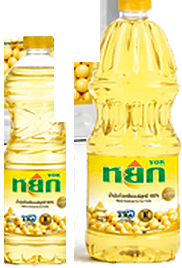
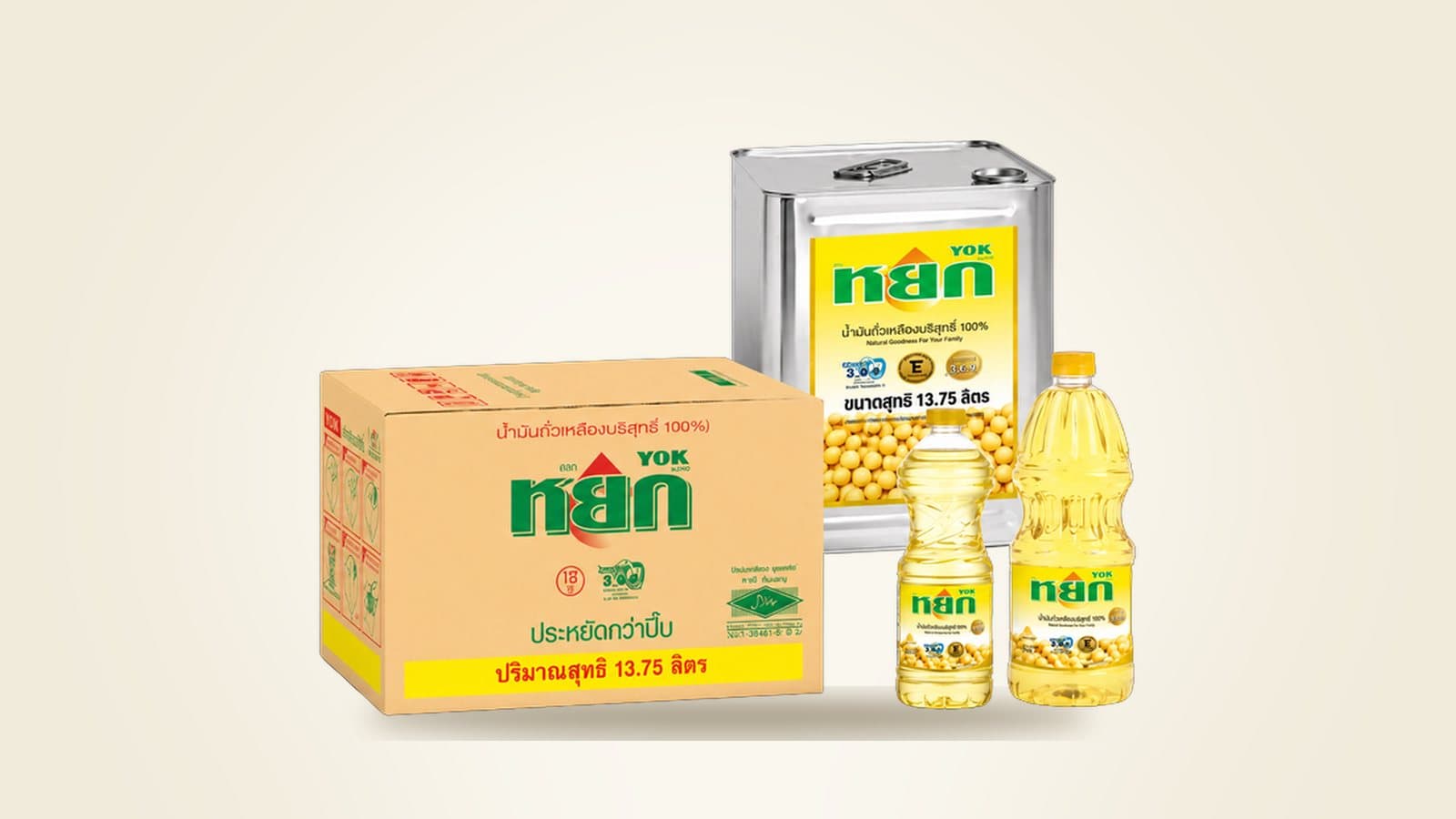
- Soybean: Yok 100% Soybean Oil for low to medium heat cooking
- Rice bran: three grades by stated oryzanol content from Yok Extra, Naturel and Naturel Forte
- Coconut: refined coconut cooking oil, 100% coconut oil, extra virgin and truffle-flavored options
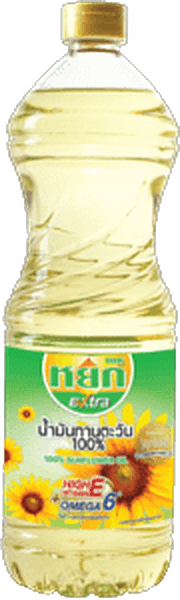
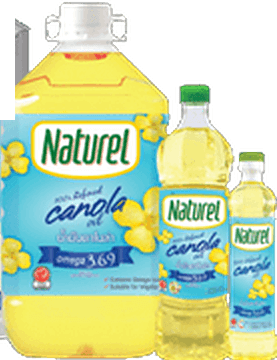
- Sunflower, canola and corn: single-oil 1 L bottles, plus Naturel canola in larger sizes
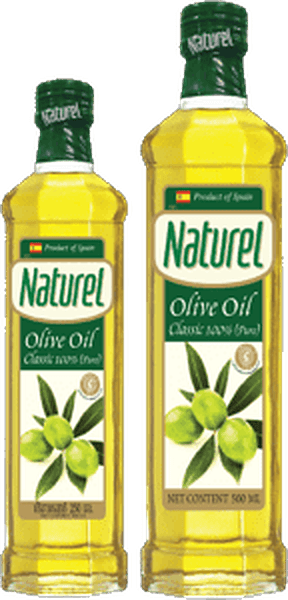
- Olive: Naturel Classic, Light & Mild, Extra Virgin and an Extra Virgin spray, from Spanish olives
- Blended: Naturel Blended Canola and Sunflower Oil
How the brands differ
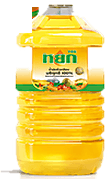
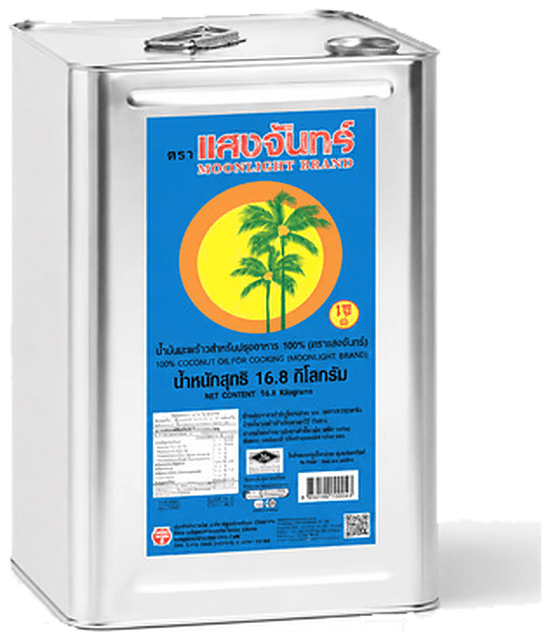
Yok is the lead cooking-oil brand in the catalog, built around palm olein and soybean oil in formats up to 18 L. Yok Extra offers single-oil 1 L bottles of coconut, rice bran, sunflower and canola oil, with rice bran also in 18 L. Naturel is the broadest range, covering olive, rice bran, canola, sunflower, corn, coconut and blended oils, with the Naturel Forte sub-range for premium rice bran and specialty coconut oils. Moonlight focuses on deep-frying, with a 16.8 L coconut cooking oil and a 1 L refill palm kernel oil.
In practice, a food-service distributor and a supermarket importer will usually order from different parts of the same catalog. Knowing which brand fits your channel shortens the quotation process. Olive oils are a good example: the Naturel range is made from Spanish olives and catalogued in 250 ml and 500 ml, plus a 200 ml spray, so it belongs in a retail assortment rather than a food-service one.
Choosing oils for your destination market
Start from how your customers cook. Customers with heavy frying demand, such as quick-service restaurants and street-food vendors, usually need palm olein or coconut cooking oil in large formats. Retail customers looking for lighter or health-positioned oils often want sunflower oil, canola oil, rice bran oil or olive oil in 1 L and smaller bottles.
Also consider what already sells locally. Introducing a Thai brand in a familiar oil type is simpler than introducing a new oil type and a new brand at the same time. If rice bran oil is unfamiliar in your market, for example, a small 1 L trial alongside a mainstream oil can test demand without a large commitment.
How an export order runs
Most cooking oil export orders follow the same sequence. Knowing it in advance helps you plan stock and cash flow on your side.
- Enquiry: you send product, pack size, quantity, destination and the documents required
- Quotation: we confirm availability, price, Incoterm, payment terms and lead time in writing
- Confirmation: you approve the quotation and any label or documentation requirements
- Preparation: goods are allocated and prepared for shipment
- Shipment: cargo is loaded and the export documents are issued
- Arrival: your customs broker clears the goods using the shipping documents
Where first orders slow down
On a first order, the longest steps are often on the buyer's side: label approval, product registration where your market requires it, and booking freight under FOB terms. Starting these alongside the quotation, rather than after it, keeps the first shipment on schedule.
Keep a record of the label version and documents accepted for each product. Repeat orders are simpler when the product, pack and paperwork stay the same.
Labels, documents and compliance
Check whether the catalog pack labels meet your market's requirements. If your market needs local-language labels, importer details or a different nutrition panel, raise this at enquiry stage so it can be reflected in the quotation. Check your own country's import, labelling and food-safety rules before ordering, because they determine which documents and label changes you need.
Documentation is provided where applicable and on request. Buyers typically ask for a commercial invoice, packing list, bill of lading and certificate of origin, and some also request a certificate of analysis or a health certificate.
Next step: prepare your export enquiry
Send us the products and brands you are interested in, the pack size for each, the quantity, your destination port and preferred Incoterm, and the documents your importer or customs broker needs. Use our request a quote form or email export@tamechcoltd.com. Price, minimum order quantity and lead time depend on the product, pack format, quantity and destination, and are confirmed in the quotation.