Import Tips
How to Source Edible Oils from Thailand
A step-by-step process for sourcing edible oils from Thailand, from writing a clear brief to comparing quotations and planning labels early.
Published · Last reviewed · 3 min read
Reviewed by Tamech Impex Co., Ltd Export Team. Product details checked against the Tamech Impex Co., Ltd product catalog.
Step 1: Define what you need before contacting suppliers
The fastest import projects start with a clear brief. Before contacting any Thai supplier, write down the oil type, what your customers use it for, the pack format, the approximate volume per order and how often you expect to reorder. A supplier can only quote accurately against a defined requirement, and a written brief makes quotations from different suppliers comparable.
If you are still deciding on oil type, browse the product catalog by category. Frying-focused buyers tend to look first at palm olein, coconut cooking oil and palm kernel oil, while retail buyers often need a spread of sunflower, canola, rice bran and olive oils in 1 L and smaller bottles.
Step 2: Decide between catalog brands and products on request
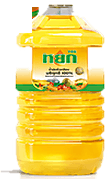
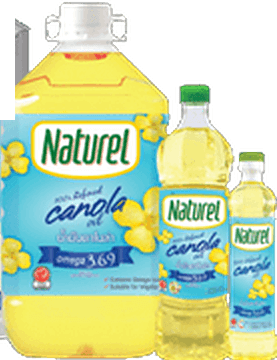
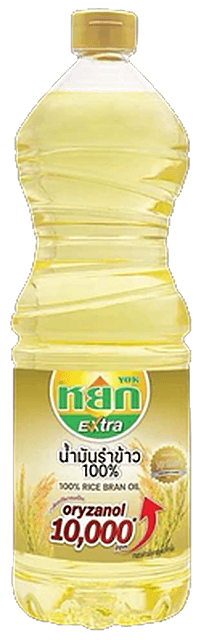
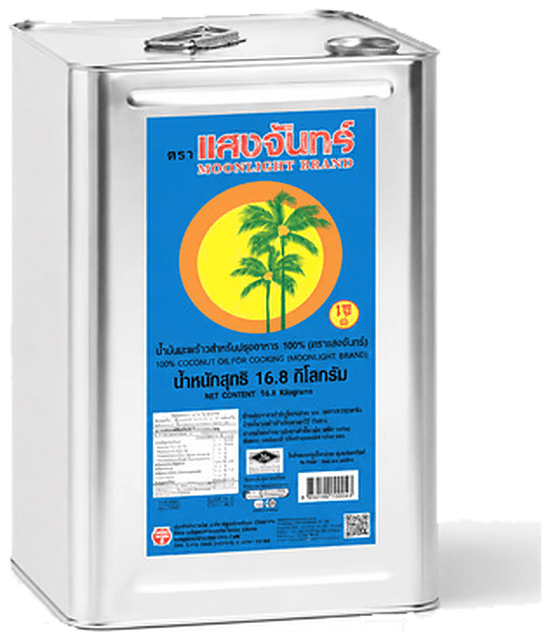
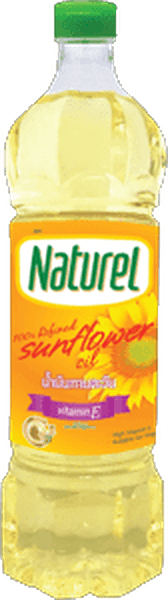
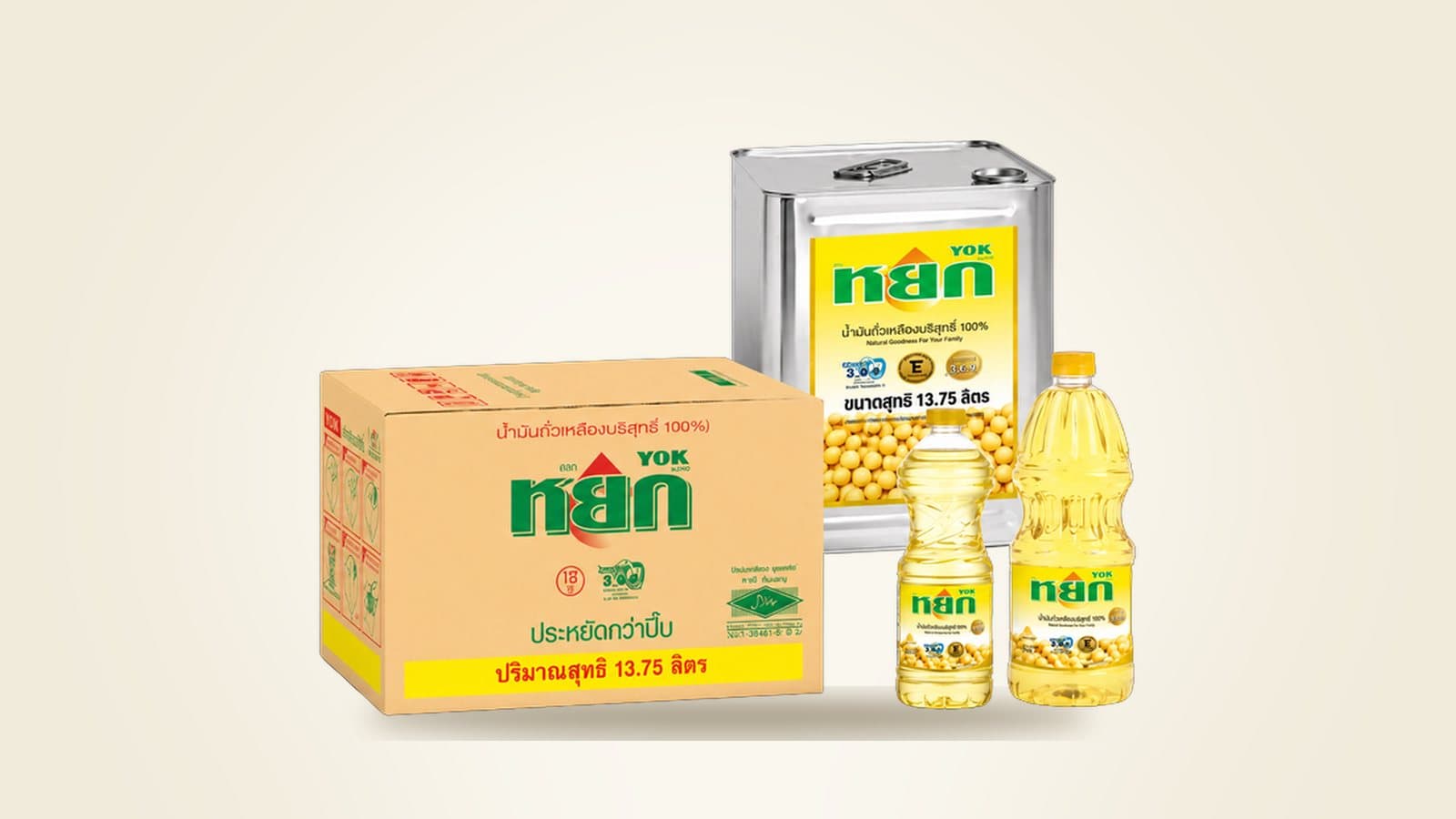
Our cooking oils range covers Yok, Yok Extra, Naturel (including Naturel Forte) and Moonlight products, each with catalog-stated pack sizes and applications. Ordering from a defined catalog makes repeat orders simpler because the product, label and pack stay the same from one shipment to the next. Quote the brand and exact product name from the product page when you enquire, since some brands offer similar oils: both Yok Extra and Naturel list a 100% sunflower oil and a 100% canola oil, for example.
Some buyers need something outside that list: another Thai brand, a different oil type or a different pack format. For these we can quote products on request. Availability is confirmed case by case, so allow more time for these enquiries than for catalog products.
Step 3: Check the supplier, not just the price
A low price is of little use if the shipment arrives late, with the wrong labels or without the documents your customs broker needs. When comparing suppliers, look at how they handle the details.
- A registered company name, physical address and direct contact details
- Clear identification of the brand and exact product being offered
- Willingness to provide specification sheets and a certificate of analysis
- A written quotation stating Incoterm, validity, payment terms and lead time
- Straight answers on what is not yet confirmed, rather than guesses
- Product photos or samples before a first order, where practical
Step 4: Compare quotations on the same basis
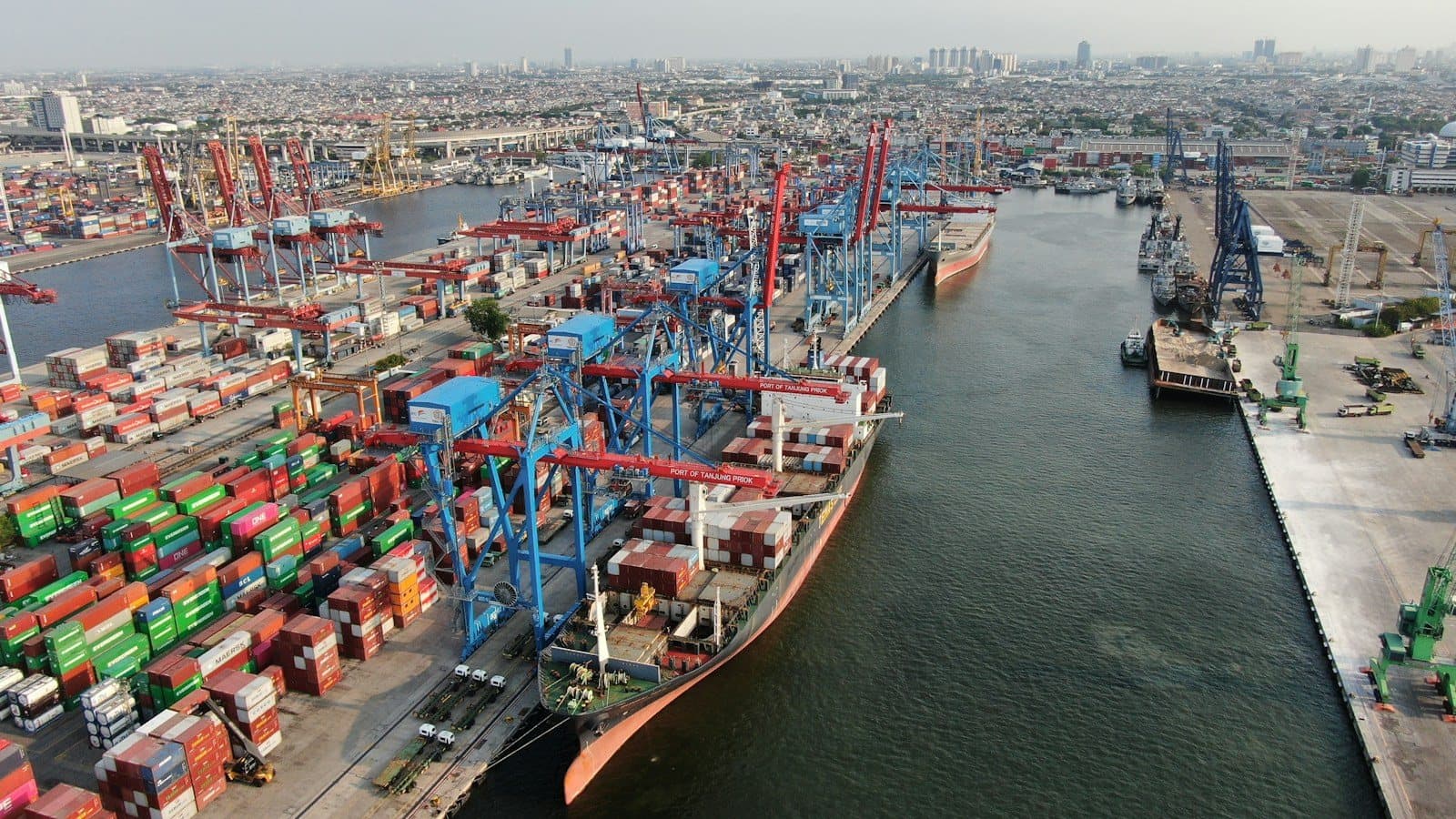
Quotations only compare fairly when they use the same Incoterm and the same pack format. A FOB price covers the goods loaded on board at the Thai port and excludes ocean freight. A CFR price includes freight to your destination port, and CIF adds insurance on top. Convert every offer to the same basis before judging it.
Check also what the unit price includes: labels, outer packaging and the export documents. Minimum order quantity, price and lead time always depend on the product, pack format, quantity and destination, and should be written into the quotation rather than agreed verbally.
For a first order with a new supplier, many buyers start with a smaller mixed order to test product, packaging and documentation before committing to larger volumes. Agree in advance how quality issues will be reported and resolved, and keep the approved specification sheet on file so later shipments can be checked against it.
Step 5: Plan labelling and compliance early
Thai retail packs are labelled for the Thai market. Many destinations require local-language labelling, importer details or a specific nutrition panel, often added by sticker. Check your own country's import, labelling and food-safety rules at the start, and share the requirements with your supplier so they can tell you what is feasible for the product and quantity. Our guide on how to import cooking oil from Thailand covers the import side in more detail.
Plan for one extra round of checks on a first order. Once labels and documents have been accepted by your authorities, later orders of the same product usually move faster.
Step 6: Send a complete enquiry
When your brief is ready, send it through our request a quote form. Include the product and brand, pack size, quantity per product, destination country and port, preferred Incoterm and the documents you need. If you want to discuss a requirement first, our export team is available at export@tamechcoltd.com or on WhatsApp at +66 65 262 4755.
A complete first enquiry usually gets a faster and more accurate answer than a short request for a price list. If some details are still open, such as the final quantity, give a range and say what it depends on.