Import Tips
How to Import Cooking Oil from Thailand
The importer's side of buying cooking oil from Thailand: checking local rules, agreeing Incoterms, gathering documents and receiving the shipment.
Published · Last reviewed · 3 min read
Reviewed by Tamech Impex Co., Ltd Export Team. Product details checked against the Tamech Impex Co., Ltd product catalog.

Start with your own country's rules
Before placing a first order, confirm what your country requires for imported edible oils. Requirements differ widely between markets, and the importer is normally responsible for meeting them. Typical questions to put to your food authority, customs broker or regulatory adviser are listed below.
We do not advise on specific regulations, tariffs or tariff codes for your market, and your customs broker is best placed to confirm them. What we can do is provide product information and documentation, where applicable, to support your registration or clearance.
- Does the importer need a licence or registration to import food?
- Must the product, brand or label be registered before import?
- What language and content are required on the label, and are stickers accepted?
- Are there rules on nutrition and health claims, such as cholesterol-free or antioxidant statements?
- Which certificates must accompany the shipment, and who must issue them?
- Are there sampling, testing or inspection procedures at the border?
Choose products that fit your rules and channel
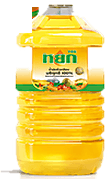
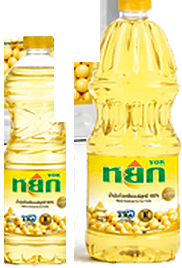
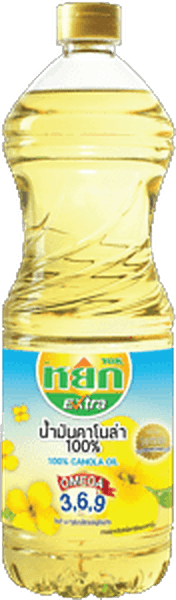
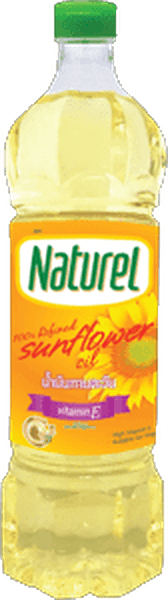
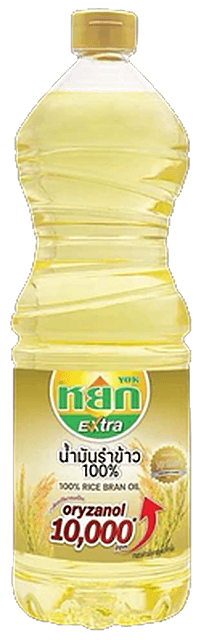
Once you know the rules, choose products you can import and sell without heavy relabelling. The cooking oils catalog lists each product's catalog-stated applications and pack sizes. Food-service importers generally start with large formats such as palm olein tins, while retail importers usually focus on 1 L bottles. For an overview of the range and how the brands differ, see our cooking oil export guide.
Where your market restricts certain label claims, compare the catalog wording on each product page with your rules before you shortlist. Products with simpler label wording may be easier to register or sticker.
Agree the Incoterm
The Incoterm in your quotation defines where cost and risk pass from seller to buyer. Three terms are common in edible oil trade by sea. Tell us your preference when you enquire; the term that applies is stated in the quotation.
- FOB (Free on Board): the seller delivers the goods on board the vessel at the Thai port of loading; you arrange and pay ocean freight and insurance
- CFR (Cost and Freight): the seller also pays ocean freight to your destination port; risk passes to you once the goods are on board
- CIF (Cost, Insurance and Freight): as CFR, with the seller also arranging cargo insurance
Plan logistics, payment and timing
If you buy FOB, appoint a freight forwarder early so they can book space in line with the shipping schedule. Under CFR or CIF, confirm the destination port and ask your customs broker which charges are payable on arrival, as these are not part of the seller's price.
Payment terms, minimum order quantity and lead time depend on the product, pack format, quantity and destination, and are set out in the quotation. Allow extra time on a first shipment, when registrations or label checks may still be in progress.
Documents your broker will ask for
Documentation is supplied where applicable and on request. Buyers typically ask for the items below, but the exact list depends on your country and the product. Send your broker's document list with your enquiry so we can confirm what can be provided before the order is placed.
Ask your broker whether documents must be originals, copies or electronic, and whether any must be legalised or issued by a specific body. These details vary by country and are easier to settle before shipment than at the port.
- Commercial invoice
- Packing list
- Bill of lading
- Certificate of origin
- Certificate of analysis
- Health certificate, where the destination requires one
On arrival: clear, inspect and record
When the goods arrive, your customs broker clears them against the shipping documents. Inspect the shipment on receipt: check the condition of cartons, tins and bottles, compare product names and pack sizes against the packing list, and note the lot or date markings on the packs. Photograph any problem straight away and share it with your supplier. Good records from the first shipment make reorders faster and help with any later audit or registration renewal. Store the goods according to the label and your own food-safety procedures, and rotate stock so older lots are sold first.
Next step: request an import-ready quotation
Send us the product and brand, pack size, quantity, destination port, preferred Incoterm and the documents your broker requires, using our request a quote form. If you would like to talk through an import plan first, contact our export team by email at export@tamechcoltd.com or on WhatsApp at +66 65 262 4755. Mention if this is your first import of edible oils, so we can flag the points that usually need attention.